 Written for Trio Abril
Katsu!
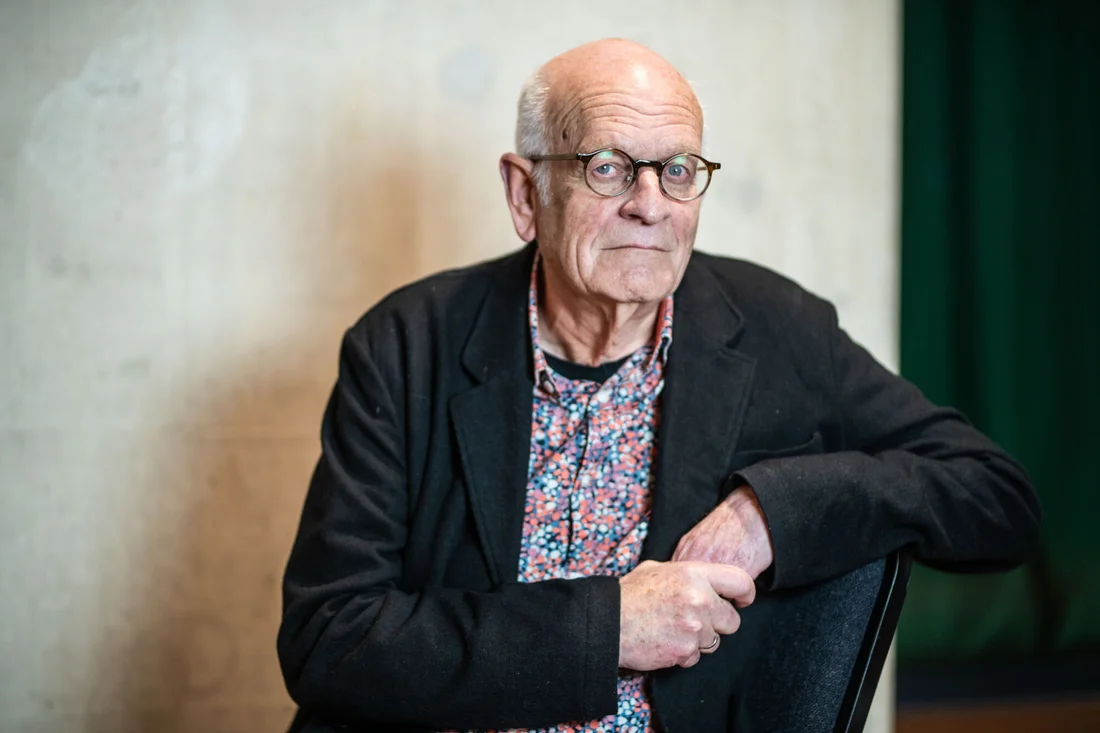
Katsu evokes a world of sound and silence. Klaas de Vries explores resonance and inner silence; at the heart of the work, the musicians speak about the significance of music.
About the workIn Las Furias, hushed solos alternate with rhythmically complex eruptions. Carlos Michans connects the Greek goddesses of vengeance with vividly visual music shaped by contrasts and the build-up of tension.
Concert notes · Arno Bornkamp
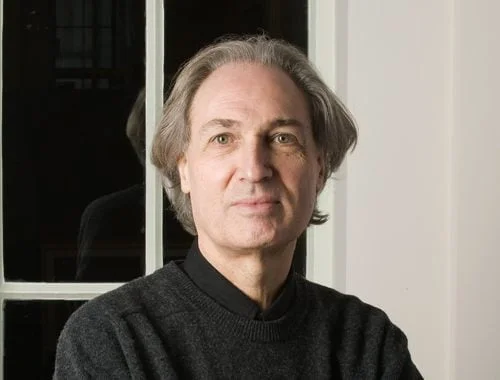
“LAS FURIAS” (2024), by the Argentine-Dutch composer Carlos Michans (1951), is a work for soprano saxophone, alto saxophone and piano.
As the title suggests, this three-movement work is inspired by the ancient Greek myth in which the Erinyes (Furiae in Latin) act as goddesses of vengeance, ensuring that criminals are punished.
It is a composition in which hushed solo passages alternate with intense eruptions, the instruments tumbling over each other in rhythmically complex passages. This makes considerable demands on the players’ virtuosity. The pianist in particular must possess an exceptional command of the instrument, while the two saxophonists counterbalance this by often joining forces as a two-headed ‘monster’.
Yet the work finds its meaning above all in its extraordinary build-up of tension, with contrasts and a kaleidoscopic sound as its defining qualities. Carlos Michans is a visual artist as well as a composer, and these two sides of his work come together beautifully in “LAS FURIAS”. He is also a virtuoso at playing on the listener’s imagination: in the second movement, for example, he seems to take you from a barren landscape into a sensual dream, after which the piano, in its solo passage, seems to disappear into the depths from a high cliff. Or consider the moment in the intensely rhythmic (sometimes even swinging) third movement when a vast soundscape emerges from the piano part. With the help of the two saxophones, it grows to almost hallucinatory proportions before returning to the original rhythmic foundation. This visual aspect gives the composition the timelessness that characterises much music of lasting significance.
“LAS FURIAS” is an eruption of countless conscious and unconscious musical and visual references, cascading over the audience.
Written for Trio AbrilKatsu evokes a world of sound and silence. Klaas de Vries explores resonance and inner silence; at the heart of the work, the musicians speak about the significance of music.
About the work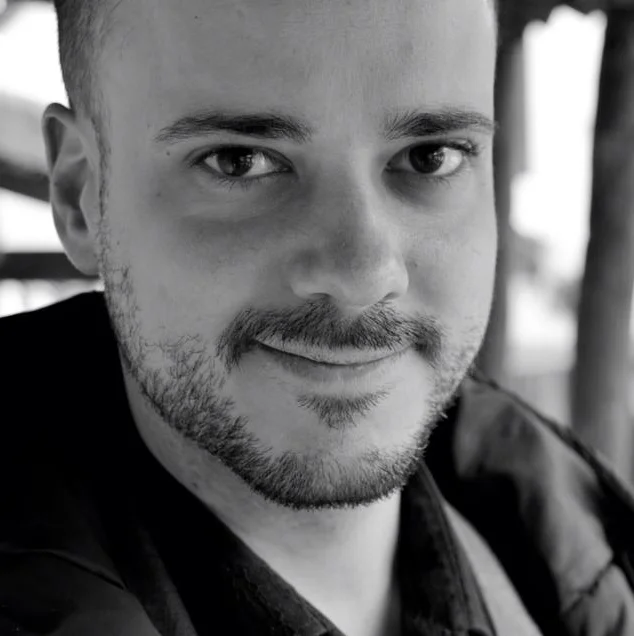 Written for Trio Abril
Santiago Baez uses the rainbow as a metaphor for hope and consolation. In Arkenciel V, different influences meet across three movements, with original lyricism and Hindemith as a possible spiritual mentor.
About the work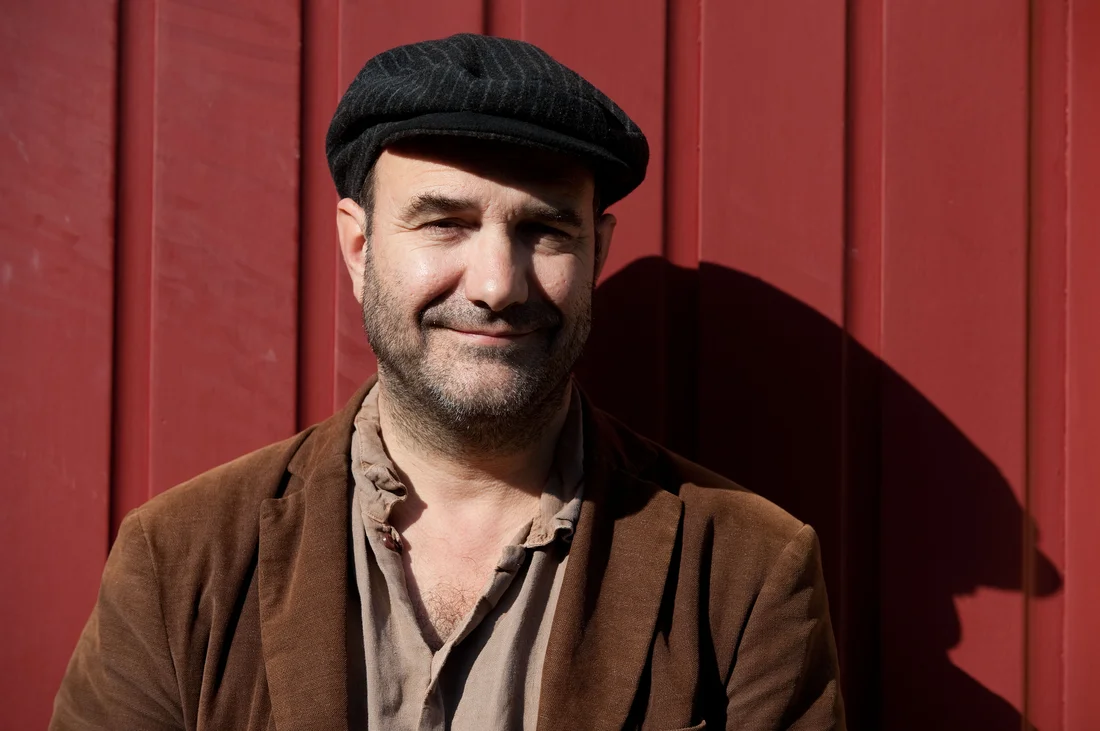 Written for Trio Abril
Guillermo Lago wrote Energía as Trio Abril’s first commission. Its three movements give musical expression to wind, sun and tides, moving from a whirlwind of virtuosity through repose to a musical climax.
About the work Original repertoire
Jun Nagao plays with the theme from Paganini’s 24th Caprice. Two alto saxophones mirror each other in music that gathers momentum after a mysterious opening.
About the work